
Optimal Timing for Fire Restorations
Understanding the optimal timing for fire restorations is essential for effective remediation. The best time to undertake fire restoration projects typically depends on weather conditions, property occupancy status, and the severity of fire damage. Generally, fire restorations are most efficiently performed during dry, mild weather periods which facilitate thorough cleaning and repairs. Additionally, scheduling restorations when the property is unoccupied or minimally used can reduce disruption and allow for comprehensive work.
Spring and fall often provide ideal weather for fire restorations, with moderate temperatures and lower humidity levels.
Avoiding extreme cold or wet conditions minimizes delays and ensures safety during restoration activities.
Planning restorations during periods of low occupancy can reduce inconvenience and improve access for contractors.
Severe fire damage may require immediate attention regardless of season to prevent further deterioration.
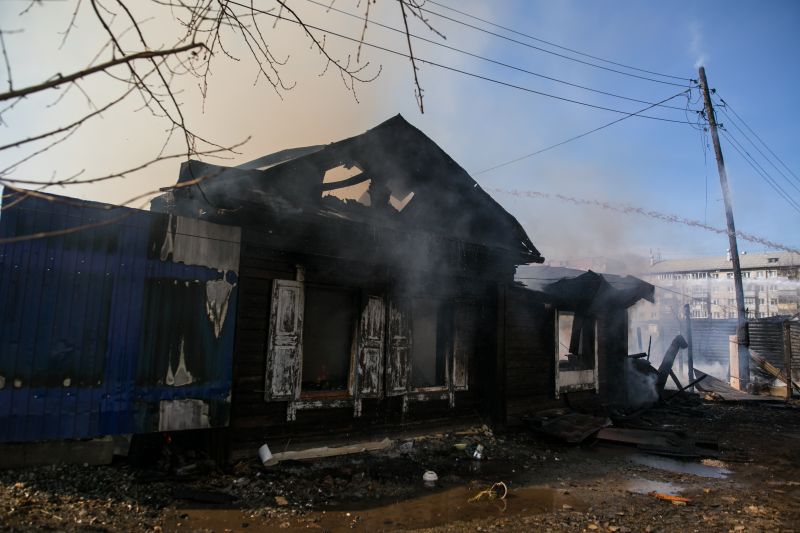
Initial evaluation of fire damage helps determine the best timing for restoration work.
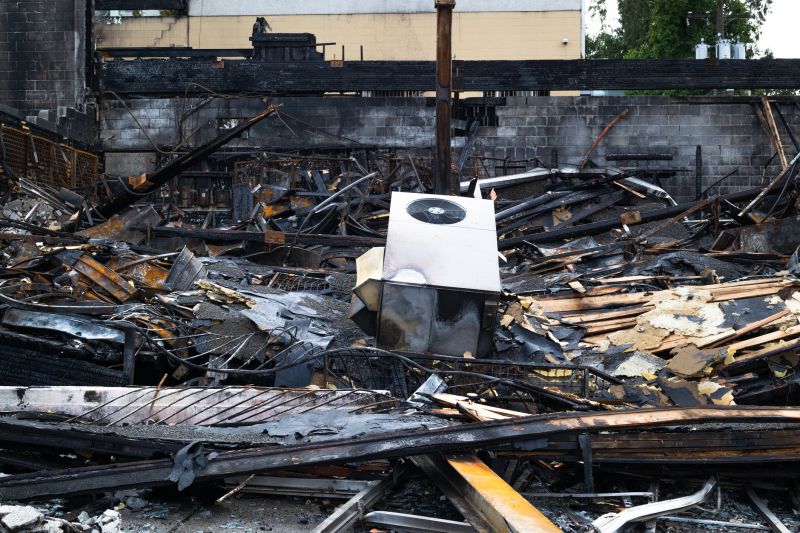
Timely cleanup reduces smoke odor and prevents further structural damage.
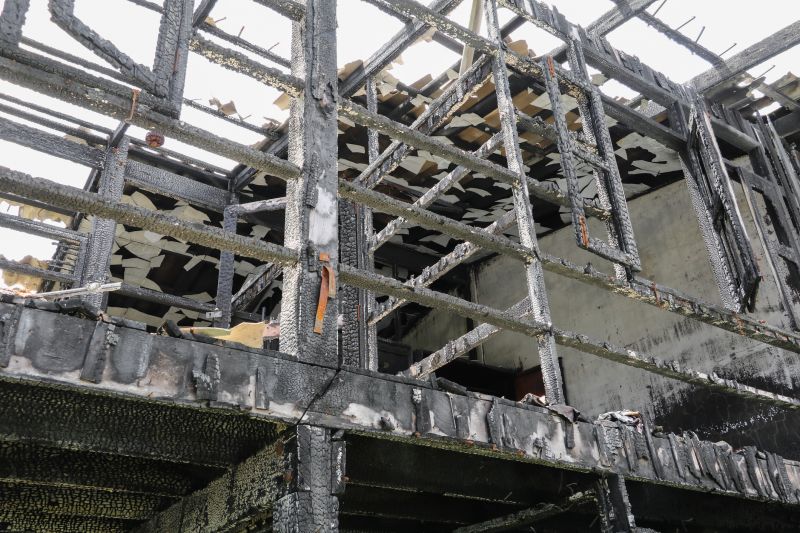
Scheduling repairs during optimal weather ensures safety and quality.

Ways to make Fire Restorations work in tight or awkward layouts.
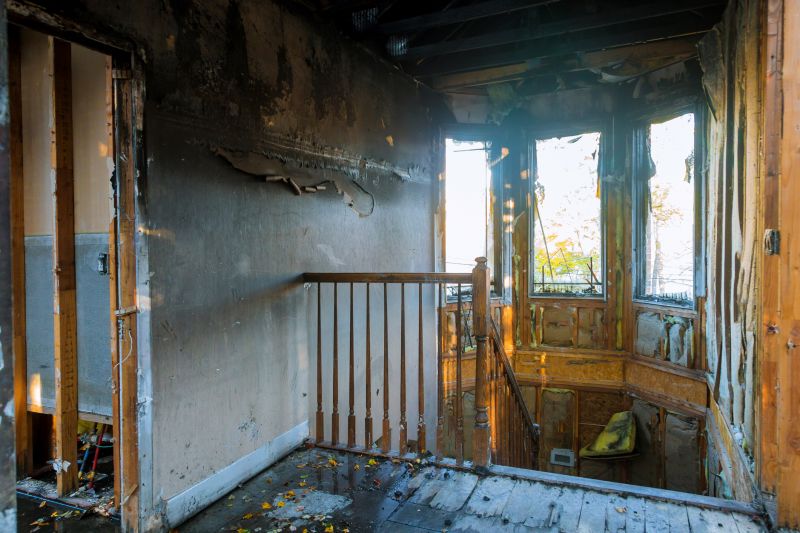
Popular materials for Fire Restorations and why they hold up over time.
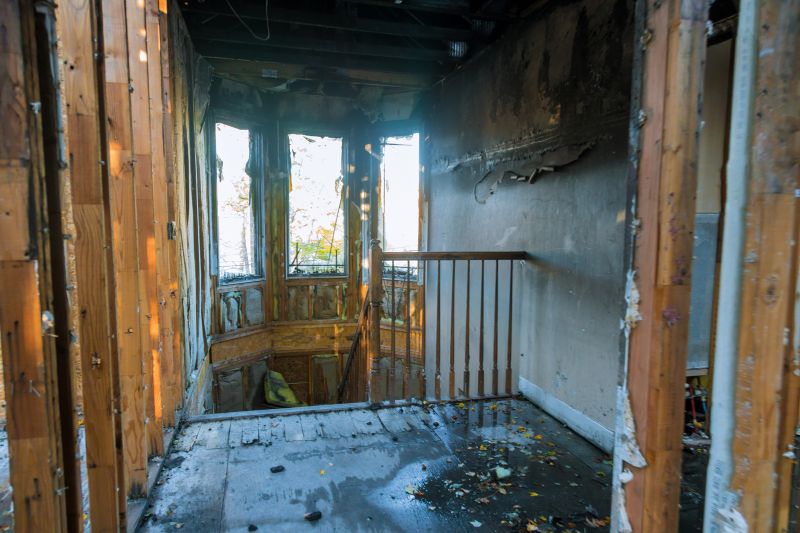
Simple add-ons that improve Fire Restorations without blowing the budget.
| Factor | Details |
|---|---|
| Weather Conditions | Dry, mild weather supports efficient restoration work. |
| Occupancy Status | Unoccupied properties allow for less disruption. |
| Damage Severity | Immediate response needed for extensive fire damage. |
| Insurance Coordination | Aligning work with insurance timelines can streamline process. |
| Seasonal Timing | Spring and fall are generally preferred for restoration activities. |
| Availability of Contractors | Scheduling during off-peak seasons can improve access. |
Fire restorations involve comprehensive processes including damage assessment, smoke and soot removal, structural repairs, and odor neutralization. Proper timing enhances the effectiveness of these activities, reducing the likelihood of secondary issues such as mold growth or further deterioration. Data indicates that timely restoration can significantly decrease long-term costs and improve safety outcomes. Proper planning according to seasonal and environmental factors ensures that restoration efforts are completed efficiently and thoroughly.
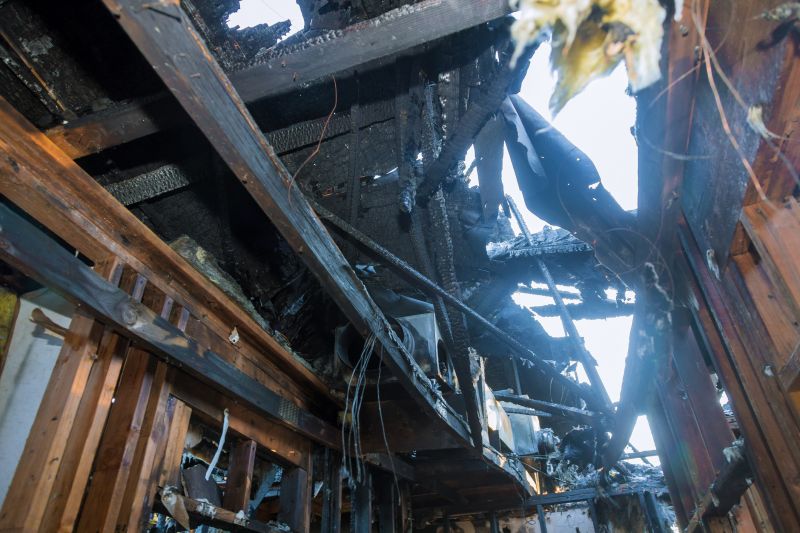
Early assessment guides optimal scheduling.
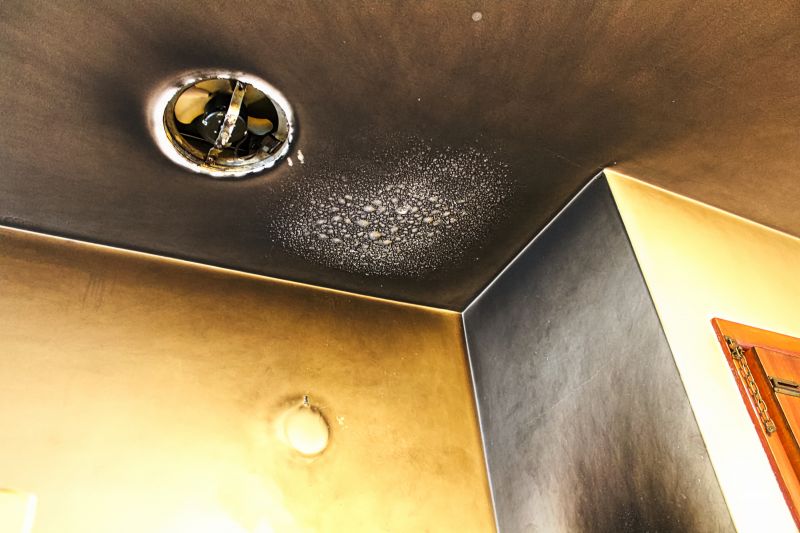
Timely cleaning prevents lingering odors.
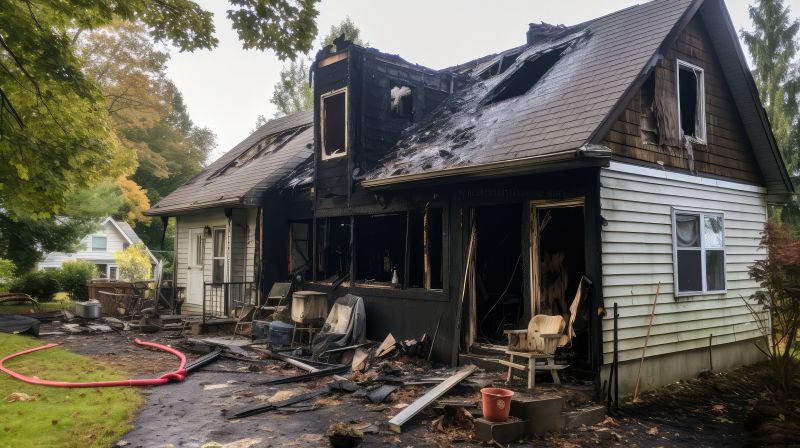
Proper timing ensures safe repairs.
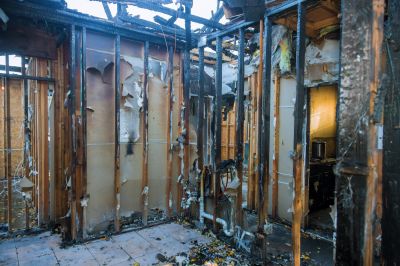
Ensures complete restoration and safety.
Interested in fire restorations for a property in High Point, North Carolina? Filling out the contact form can provide more information and help schedule services at the most suitable time for specific needs. Timely action is crucial to minimize damage and restore safety and comfort to affected spaces.