
Leading Fire Restoration Supplies for Fast and Efficient Cleanup
Identify key products that streamline fire damage recovery, from soot removal to structural repairs.
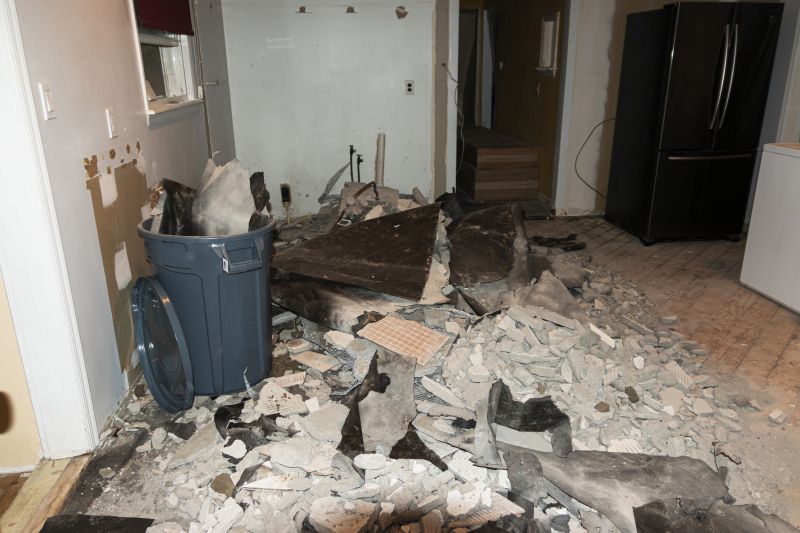 Fire restoration products are essential tools and materials used to address the aftermath of fire damage in residential and commercial properties. These products help mitigate smoke and soot residues, remove odors, and restore structural integrity. When selecting products for fire restoration, it is important to consider their effectiveness in odor neutralization, surface cleaning, and material protection. Proper use of these items can significantly aid in the restoration process, making spaces safer and more livable again.
Top Overall Option
Comprehensive Fire Damage Restoration Kit
A complete restoration kit that includes a variety of cleaning agents, odor neutralizers, protective gear, and moisture control tools. Designed to address multiple aspects of fire damage, this all-in-one solution offers versatility and convenience for both professionals and DIY restorers.
Types of Products For Fire Restorations
Soot and Smoke Cleaners
Specialized cleaning solutions formulated to dissolve soot and smoke residues from surfaces and materials.
Odor Neutralizers
Products like ozone generators and thermal foggers that help eliminate persistent smoke odors.
Dehumidifiers and Drying Equipment
Devices used to control moisture levels and prevent mold growth after firefighting efforts.
Fire-Resistant Sealants and Coatings
Materials applied to restore and reinforce damaged surfaces, providing fire-resistant barriers.
Protective Personal Equipment
Respirators, gloves, and protective suits to ensure safety during cleaning and restoration.
Air Scrubbers and HEPA Filters
Air purification devices that capture airborne soot and dust particles, improving indoor air quality.
Thermal Foggers
Equipment used to distribute deodorizing fog that penetrates surfaces to neutralize odors.
Degreasers and Surface Cleaners
Products designed to remove greasy residues and prepare surfaces for restoration.
Water Extraction and Drying Tools
Equipment to remove water used during firefighting and aid in drying out affected areas.
Structural Repair Materials
Fire-resistant drywall, sealants, and coatings for repairing and reinforcing damaged structures.
Popular Choices
Effective for small to medium spaces to absorb and neutralize smoke odors.
Widely used for improving air quality during and after restoration work.
Commonly applied to prevent further damage and contain fire spread.
Non-abrasive tools used to lift soot from surfaces without additional mess.
Popular for their ability to neutralize odors in enclosed spaces.
Trusted for large-scale moisture control in fire-damaged buildings.
Effective for deep odor penetration in complex spaces.
Frequently used for cleaning soot and grease from surfaces.
Ideal for removing airborne soot and dust particles during cleanup.
Applied to walls and ceilings to provide additional fire resistance after cleaning.
In fire restoration, cleaning agents such as specialized degreasers and soot removers play a crucial role in removing stubborn residues from walls, ceilings, and other surfaces. Odor removal products, including ozone generators and thermal foggers, are widely used to eliminate lingering smoke smells that can persist long after the fire has been extinguished. Additionally, moisture control devices like dehumidifiers and drying agents help prevent mold growth caused by water used during firefighting efforts.
Structural repair products such as fire-resistant sealants and coatings are vital for restoring the integrity of damaged surfaces. Personal protective equipment (PPE), including respirators and gloves, ensures safety during the cleaning process. It is also advisable to have air scrubbers and HEPA filters on hand to improve indoor air quality by capturing airborne soot and dust particles. Selecting the right combination of these products depends on the extent of fire damage, the materials involved, and the specific restoration goals.
Proper training and adherence to safety guidelines are essential when handling fire restoration products. Consulting with professionals or experienced contractors can help determine the most suitable products for each unique situation. Overall, a comprehensive approach utilizing a variety of specialized products can facilitate a thorough and effective fire damage restoration process, helping property owners recover more efficiently from fire incidents.
Key Buying Considerations
- Extent of fire and smoke damage to determine the necessary products.
- Type of surfaces affected, such as wood, drywall, or fabric, to select appropriate cleaning agents.
- Odor severity and the effectiveness of odor neutralizers or air purification devices.
- Presence of water damage and the need for dehumidifiers or drying equipment.
- Safety features of protective gear, including respirator ratings and material durability.
- Compatibility of sealants and coatings with existing surfaces and materials.
- Size and portability of equipment like air scrubbers and foggers for ease of use.
- Ease of application and whether professional assistance is recommended.
- Product certifications and safety standards compliance.
- Budget constraints versus the scope of restoration work.
- Availability of replacement parts or refills for equipment.
- Environmental conditions of the property, such as ventilation and access.
- Timeframe for restoration and product drying or curing times.
- Reviews and recommendations from other professionals or experienced restorers.
- Long-term durability and potential need for ongoing maintenance or treatment.